


Cat Food Toppers: How to Use Them Safely (and When They Actually Help)
- brigitesbengals
- Dec 20, 2025
- 4 min read
Updated: Jan 8
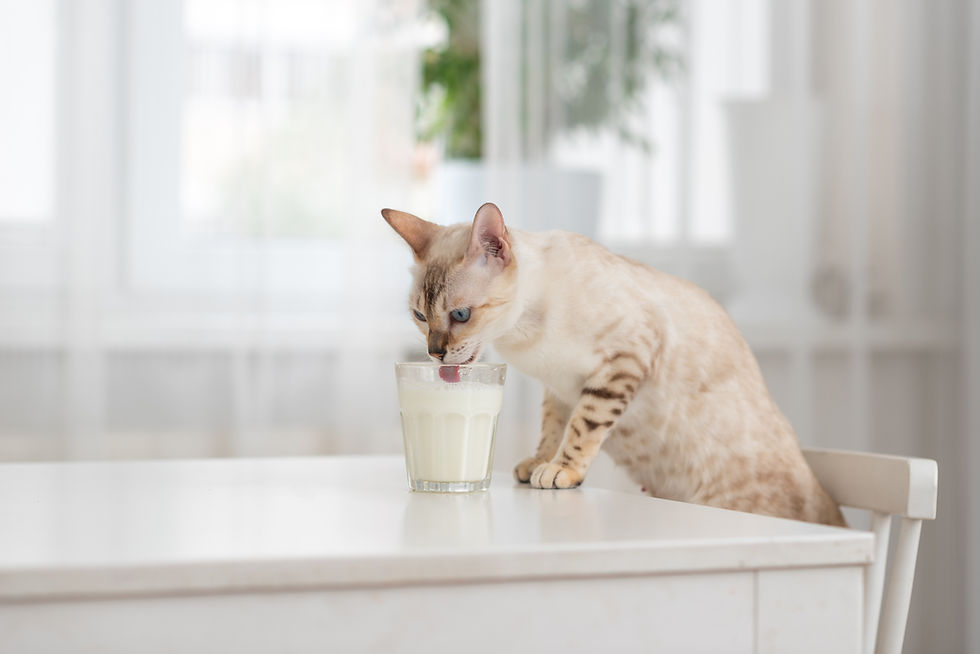
Food toppers are everywhere right now — powders, oils, broths, freeze-dried crumbles — all promising to make meals more appealing or “better.”
At Brigite’s Bengals, we don’t view toppers as solutions. We view them as tools. Used correctly, they can support hydration, palatability, and routine consistency. Used incorrectly, they can quietly unbalance an otherwise sound diet.
Toppers only make sense when the base meal is already nutritionally complete. They are additions — not foundations.
For a broader framework on how nutrients, hydration, and feeding structure work together, visit our [Feline Nutrition Guide]
This guide explains what food toppers are, how to use them responsibly, and which types actually make sense.
What a Cat Food Topper Is (and Is Not)
A food topper is a supplemental addition to a complete meal.
It is not:
A replacement for balanced food
A treatment for health conditions
A cure, preventative, or nutritional shortcut
Used thoughtfully, toppers can:
Encourage eating in selective cats
Increase moisture intake
Support routine consistency during transitions
Taurine Is Not a Topper — It’s a Requirement
Taurine is non-negotiable in feline nutrition.
Cats cannot produce enough taurine on their own. Every nutritionally complete diet — commercial or homemade — must include it intentionally.
Every homemade recipe we use includes a measured taurine supplement, without exception. This mirrors how complete commercial foods are formulated and ensures homemade feeding supports long-term health rather than assumptions.
Toppers are only added after the base meal is already taurine-complete and nutritionally sound.
For a deeper explanation of why taurine matters and how deficiencies develop, see [Taurine for Cats]
Taurine Supplements for Homemade Feeding
For cat parents preparing homemade meals or rotating proteins, a pure, single-ingredient taurine supplement is the most reliable way to meet requirements consistently.
Commonly used options in vet-aware homemade feeding protocols include:
Why single-ingredient powders are preferred:
No flavourings or fillers
Easy to measure for small portions
Neutral taste and smell
Dosage should always be discussed with a veterinarian, especially for kittens, seniors, or cats with medical conditions.
Types of Food Toppers (and When They Make Sense)
Hydration Toppers (Moisture Support)
Hydration toppers increase moisture intake through food, particularly for cats who do not drink much water on their own.
Best used for:
Supporting hydration in dry or mixed diets
Adding moisture without altering nutrition balance
Encouraging eating during routine transitions
Use as a light pour-over or mix-in. Always provide fresh drinking water.
Omega Oil Toppers (Skin & Coat Support)
Omega oil toppers add dietary fats and can support coat quality when used correctly. They are not treatments and should be used sparingly.
Best used for:
Supporting natural coat texture
Adding palatability to protein-forward meals
Complementing an already balanced diet
Use cat-specific formulations only and follow label directions.
US Option: Plano Paw: Omega-3 Fish Oil for Cats
Freeze-Dried Protein Crumbles (Texture & Interest)
Freeze-dried protein toppers are primarily about palatability, not nutrition.
Best used for:
Encouraging hesitant or picky eaters
Adding variety without altering the base meal
Short-term transitions between foods
Crumble finely and use sparingly over wet or gently cooked meals.
US Option: PureBites Beef Liver for Cats
Probiotic Toppers (Routine Digestive Support)
Probiotic toppers support digestive routine — they do not treat digestive conditions.
Best used for:
Food transitions
Travel or environmental changes
Short-term stress
Introduce gradually and use short-term. Ongoing digestive issues should always be discussed with a veterinarian.
CDN Option: Nutrience Care® Probiotic+ Cat Supplement
US Option: Dr. Kiwi O'dogcat Probiotics for Cats
Complete Balancing Mixes (For Fresh Feeding)
This category is not a casual topper. It’s a balancing tool designed to support properly structured fresh feeding when used exactly as directed.
Best used for:
Home-cooked or gently cooked meals
Rotational fresh feeding
Cat parents who want precision, not guesswork
Important notes:
Follow label directions exactly
Not intended to treat medical conditions
Consult a veterinarian for complex dietary needs
To be added and mixed in after the food is cooked
CDN Option: Know Better for Cats – Beef Recipe
US Option: Balance It® Feline K
Protein is easy. Balance is the work. Structured balancing tools are one of the cleanest ways to reduce guesswork when feeding fresh regularly.
How to Use Toppers Without Creating Imbalance
Most mistakes happen here.
Best practices:
Use one topper at a time
Keep quantities small
Maintain a nutritionally complete base meal
Avoid rotating toppers daily
In structured feeding routines, toppers are supportive accents — not meal foundations.
When NOT to Use a Topper
Skip toppers if:
Your cat already eats enthusiastically
You are masking food refusal instead of addressing it
You are stacking multiple supplements at once
Consistency matters more than novelty.
How Toppers Fit Into a Bigger Feeding Strategy
Toppers work best as part of a structured feeding routine, not as a reaction to stress or appetite swings.
If you are relying on toppers to “fix” meals, it is usually a sign the base diet needs structure.
Our broader feline nutrition framework focuses on:
Base meal balance
Portioning
Hydration built into recipes
Knowing when not to add extras
Toppers should enhance a solid routine — not compensate for a missing one.
For readers looking to apply these principles in practice, the complete framework is outlined in Feed the Cat... Better.
Final Guidance
Used thoughtfully, food toppers can support hydration and routine. Used carelessly, they create confusion.
Start with a balanced base. Add only what serves a clear purpose. Feeding well is about consistency, not constant upgrades.
Nutrition Disclaimer: This content is provided for educational purposes only and is not intended to replace professional veterinary advice. Dietary needs vary by cat, and any significant diet changes should be discussed with a veterinarian, particularly for kittens, seniors, or cats with medical conditions.
Disclosure: This article may contain affiliate links. If you choose to make a purchase through these links, Brigite’s Bengals may earn a small commission at no additional cost to you. We only reference products we genuinely use, trust, or believe support feline wellbeing based on our experience. This content is shared for educational purposes only and is not intended as veterinary advice.


Comments